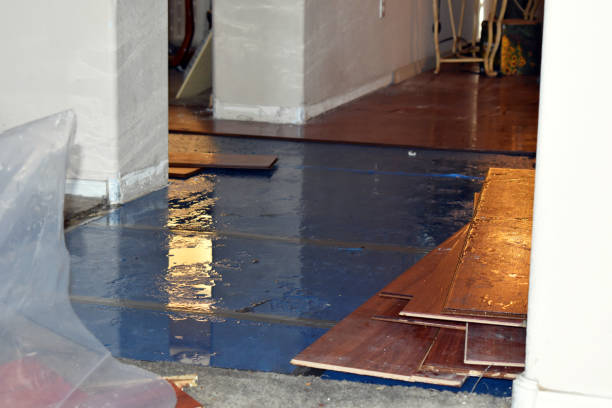
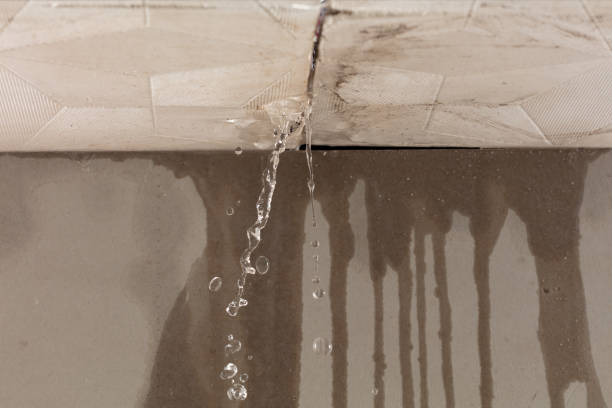
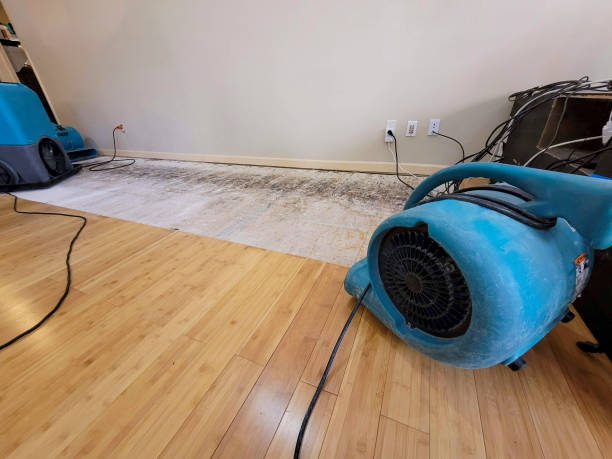
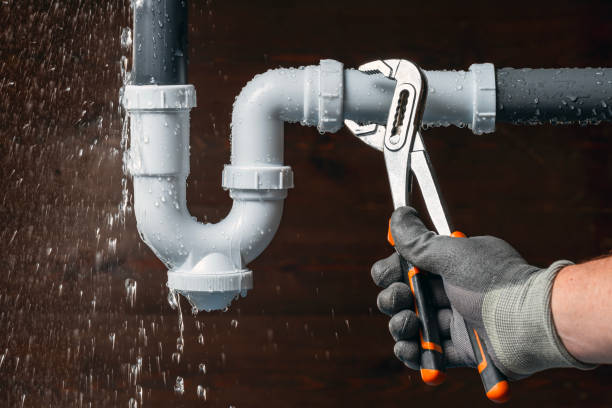
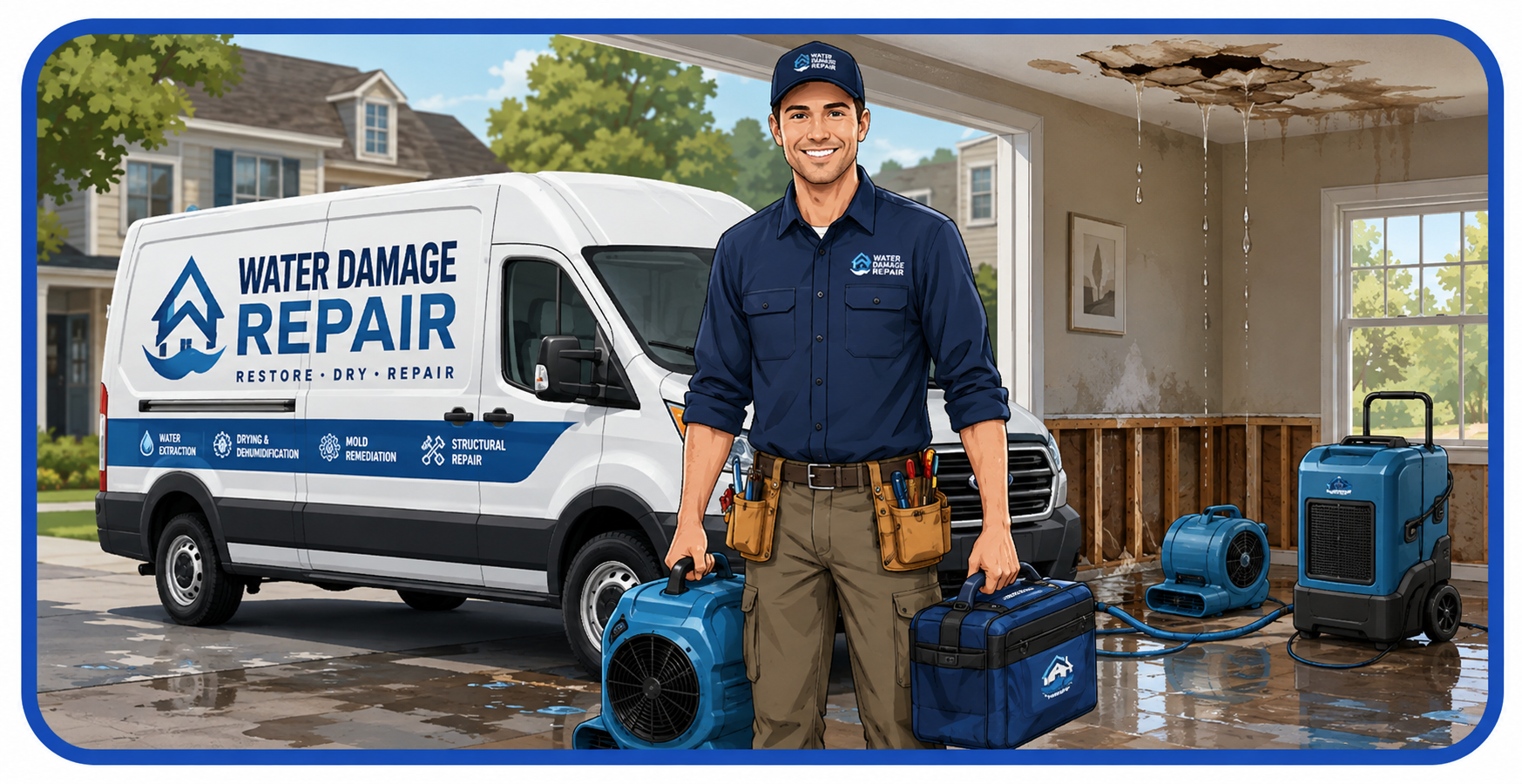
From the first moisture reading to the final walkthrough, our Water Damage Restoration process is built around one goal: stop the damage from spreading while it's still contained.
Call +1-844-234-5373 Now
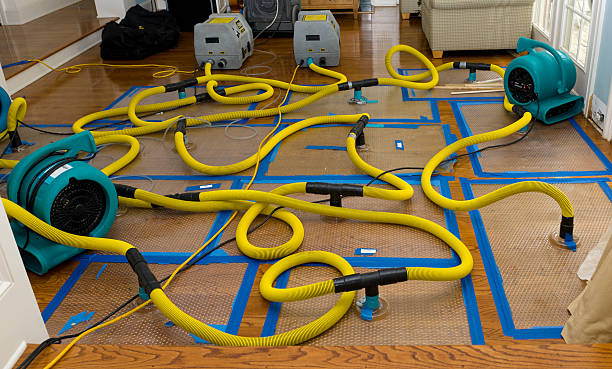
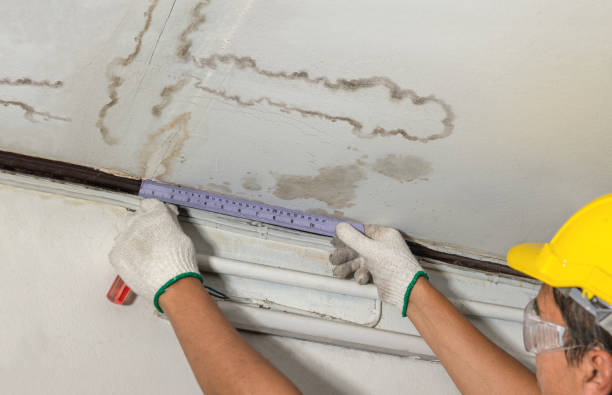
Every Water Damage Restoration job starts with the same diagnostic step: classify the water, map how far it traveled, and confirm the structure's baseline moisture before any equipment gets placed.
We'd rather explain the water damage restoration process in plain terms upfront than have you find out the hard way what a shortcut costs later.
We built this list around what typically goes wrong when water damage restoration gets handled by a generalist rather than a specialist.
None of these standards are unique to us in theory, but they're worth confirming before you let anyone start water damage restoration work on your property.

Every tech on the truck holds IICRC water restoration certification, not a weekend training course.
Local staging keeps the drive time short, which matters most in the first hour of a loss.
You get a written quote before equipment turns on, not a surprise number afterward.
Trucks carry extraction units, moisture meters, and commercial dehumidifiers for jobs of any size.
We don't treat water damage restoration as a single generic task — each part of the process below gets its own specific approach.

Thermal imaging and moisture meters trace exactly how far water traveled, including inside walls where it's invisible.
Extraction always comes first, since every hour of standing water raises the odds of secondary damage.
Air movers and dehumidifiers get placed based on psychrometric readings, not a generic layout.
Treatment happens during drying, not as an afterthought once mold is already visible.
The crew that dried the structure hands off directly to reconstruction, keeping the scope accurate.
We inventory contents that need to leave the affected area and coordinate their return once the space is verified dry.
This is the same sequence every water damage restoration job follows, regardless of size.
Dispatch gathers just enough detail to load the right equipment before the truck leaves.
The truck that arrives is stocked specifically for Water Damage Restoration jobs, not a generic handyman setup.
A technician assesses the scope on-site and provides a written flat-rate quote before any work begins.
We stand behind the result with a documented sign-off, not just a verbal assurance.


"Our water heater failed overnight and the crew had extraction equipment running before I finished my coffee."
Renee A., Louisville"Storm water got into our basement and they classified it, extracted it, and had dehumidifiers running that same afternoon."
Owen D., Louisville"Professional from the first call to the final walkthrough, and they re-tested moisture before closing the job."
Fatima J., Louisville"The reconstruction crew matched our original flooring almost exactly."
Lucas P., LouisvilleThese are the questions we hear most often about water damage restoration, gathered from real calls, not a generic template list.

Our water damage restoration coverage spans 40245 40242 40241 40218 40219 40214 40216 40211 40213 40059 40291 40299 40220 40223 40222 40229 40228 40023 40272 40207 40209 40258 40118 40018 40027 40225 40261 40268 40269 40281 40231 40243 40202 40203 40215 40204 40205 40217 40280 40221 40206 40208 40210 40212, with trucks positioned to reach any address in the service area quickly.
Coverage extends past the immediate area, so an outlying Louisville address isn't treated as a lower priority for water damage restoration.